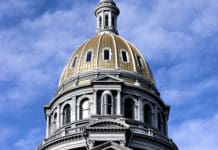

Colorado General Assembly – 2026 Session
This document outlines GreenCO’s legislative priorities and policy positions for the 2026 Colorado legislative session. GreenCO will remain proactive, collaborative, and solutions-oriented while advocating for policies that protect the industry, public health, and the environment.
Pesticide Policy
GreenCO will continue to advocate for balanced, science-based pesticide policy. The pesticide issue has been a recurring topic in recent legislative sessions, even though in 2025 we were able to hold off any such legislation, that will not be the case in 2026. GreenCO will remain proactive and committed to:
Support common-sense legislation that preserves state preemption, aligns with industry best practices, and ensures consistent statewide regulation of pesticides.
Oppose efforts to shift pesticide regulation to local control, which would create a patchwork of rules and increase compliance burdens.
Reject non-science-based or non-research-driven pesticide bans that are not supported by credible data or regulatory review.
Closely monitor and oppose legislation or ballot initiatives that increase regulatory burdens related to pesticide use without clear environmental or public benefit.
Educate members of the General Assembly on the safe, effective, and regulated use of pesticides and their importance to public health, agriculture, and the green industry.
Collaborate with statewide and national coalitions and like-minded organizations to advocate for practical, balanced pesticide legislation.
Industry Regulation & Business Practices
GreenCO will continue to engage on a range of regulatory and business issues impacting the green industry:
Backflow Prevention: Continue working with state agencies, legislators, and stakeholders to resolve outstanding backflow prevention issues. Support legislation recommended by the Water Resources and Agriculture Review Committee during the interim.
Policy Incentives: Advocate for incentive-based approaches rather than mandates when shaping environmental and green industry policies.
In recent years we have seen multiple legislative fixes to previously passed environmental bills. We will continue to support fixes to past legislation including working on a fix to the new irrigation regulations using Smart Controllers.
Construction & Contractor Protections: Support policies that streamline permitting processes, reduce unnecessary regulatory costs, and promote efficient project delivery without restricting responsible development. Advocate for reforms that provide clarity and predictability for contractors and developers, encourage cost savings, and support housing affordability, while collaborating with business coalitions to ensure fair and balanced outcomes.
Wage & Labor Issues: Monitor legislation related to minimum wage, wage protection, and wage theft, supporting policies that promote fair treatment for both employers and employees.
Tax Expenditures: Track and engage on any proposals that would reduce or eliminate business tax expenditures affecting green industry employers.
Workers’ Compensation: Monitor and engage on workers’ compensation legislation to assess potential impacts on employers and employees.
Water Policy
Water policy will remain a top priority for the green industry in 2026:
Legislative Engagement: Continue educating and collaborating with legislators, state agencies, and stakeholders on water-related policies affecting landscaping, irrigation, and outdoor water use. Recent legislation, including turf replacement programs and irrigation technology mandates, will remain focal points.
Best Management Practices (BMPs): Promote awareness and adoption of GreenCO BMPs, emphasizing both environmental stewardship and economic benefits.
Drought Response: Partner with state agencies and the General Assembly to address ongoing drought challenges by:
Building coalitions with businesses and allied organizations.
Serving as a technical and policy resource to legislators and regulators.
Infrastructure Funding
Legislative Advocacy: Support continued and sustained funding for statewide infrastructure improvements, including water, transportation, and related systems.
Budget Monitoring: Closely monitor state budget conditions and infrastructure-related legislation, particularly in light of projected fiscal constraints.
Sales & Use Tax
Legislative Oversight: Monitor all sales and use tax proposals, including recommendations from the Sales & Use Tax Simplification Task Force.
Task Force Engagement: Maintain active participation in the Sales & Use Tax Simplification Task Force.
Uniform Definitions: Support efforts to establish standardized statewide definitions for sales and use tax to improve compliance and reduce administrative burdens.
Education & Workforce Development
Addressing workforce shortages remains a critical priority:
Vocational & Adult Education Funding: Advocate for increased funding for vocational, technical, and adult education programs that support skilled trades and green industry careers.
Employer Incentives & Job Creation: Support tax credits and incentive-based legislation that encourages employers to hire and train K–12 students, returning military personnel, and underemployed individuals. Emphasize workforce development in irrigation, horticulture, landscape maintenance, and related technical fields.
This overview is intended to inform GreenCO members, policymakers, and stakeholders of the association’s priorities for the 2026 legislative session and to serve as a foundation for ongoing policy discussions. Green Industries of Colorado (GreenCO) Legislative Committee brings together all seven green industry organizations to address shared issues and concerns. The committee meets twice monthly during the legislative session to review proposed legislation, take positions and coordinate grassroots action in partnership with our lobbying firm, Hicks & Associates.
We encourage CNGA members to take an active role in these efforts.