

Four days. Hundreds of exhibitors. Dozens of education sessions. Four inspiring garden center visits. One goal: Bring back ideas that help Colorado’s green industry thrive.
From merchandising ideas that encourage customers to buy just one more item, to economic insights that help businesses prepare for 2027, here are a few of the takeaways Meg and Glenda brought home from Columbus.
Congratulations to Our Colorado Members
Before diving into our takeaways, we’d like to recognize several Colorado members who were honored at Cultivate.

- Congratulations to Blooma Farms, named a finalist for Operation of the Year.
- Congratulations to Tagawa Greenhouse for earning a 2026 Retailers’ Choice Award for its Elegance Series Pansy Collections, including the Antoinette and Twilight collections.
- Congratulations to Lindsay Squires of Tagawa Gardens, selected for the Horticultural Research Institute Leadership Academy Class of 2027, a prestigious program developing the next generation of industry leaders.
Colorado was well represented, and we’re proud to celebrate these accomplishments.
Retail Ideas Worth Borrowing
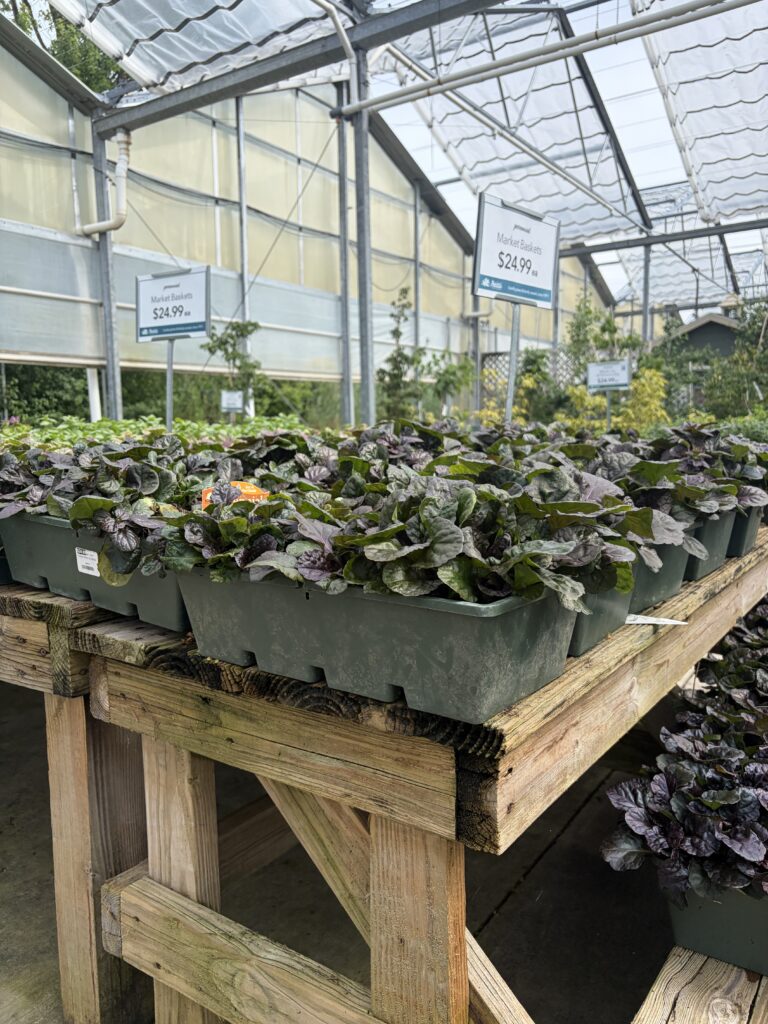
One of the highlights each year is seeing how other garden centers create memorable shopping experiences. This year’s retail tour included Sheiyah Market, two locations of the Petitti Garden Center, and Bremec Garden Center, and while each business had its own personality, several common themes emerged.
Reward customers before spring even arrives
Our favorite idea may have been Bremec Bonds.
Customers purchase a $35 bond during the winter, then redeem it for $50 worth of merchandise during peak spring season. After July 1, the bond returns to its original purchase value. Not surprisingly, the customers usually end up spending their peak season paycheck in addition to the bonds they pre-purchased.
It’s an incredibly smart way to:
- generate winter cash flow
- create customer commitment months before spring
- encourage shoppers to return during the busiest season
Merchandise tells a story
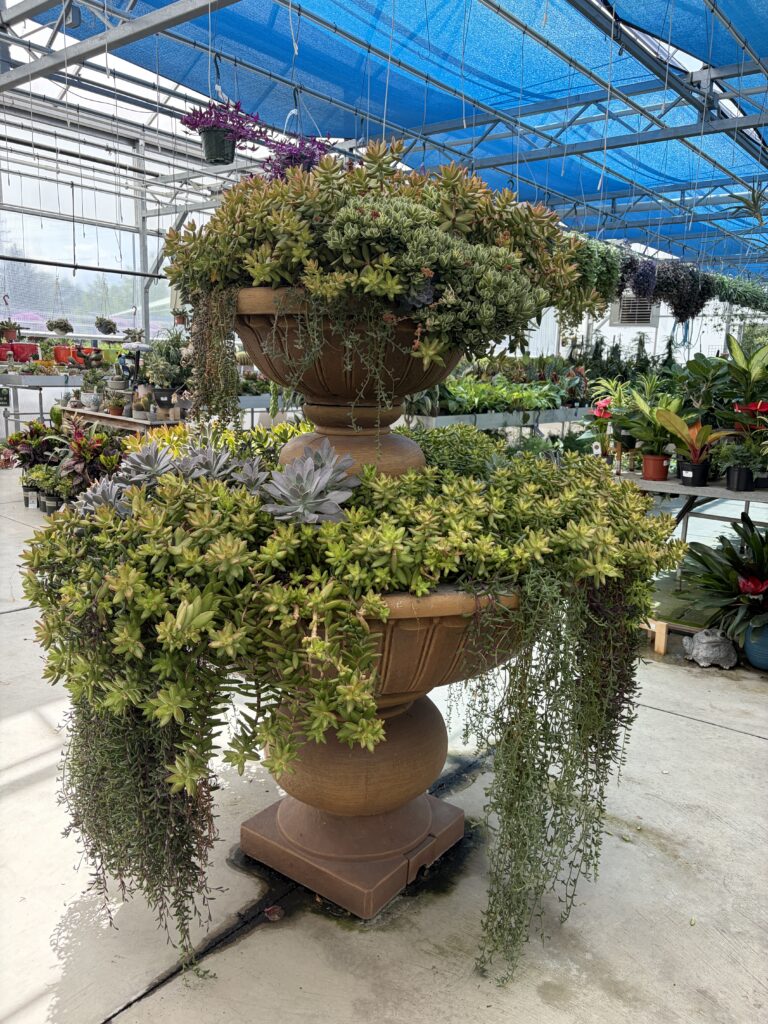
Nearly every stop featured curated lifestyle displays instead of simply grouping products together – merchandising that inspires instead of inventories.
Plant tags can sell
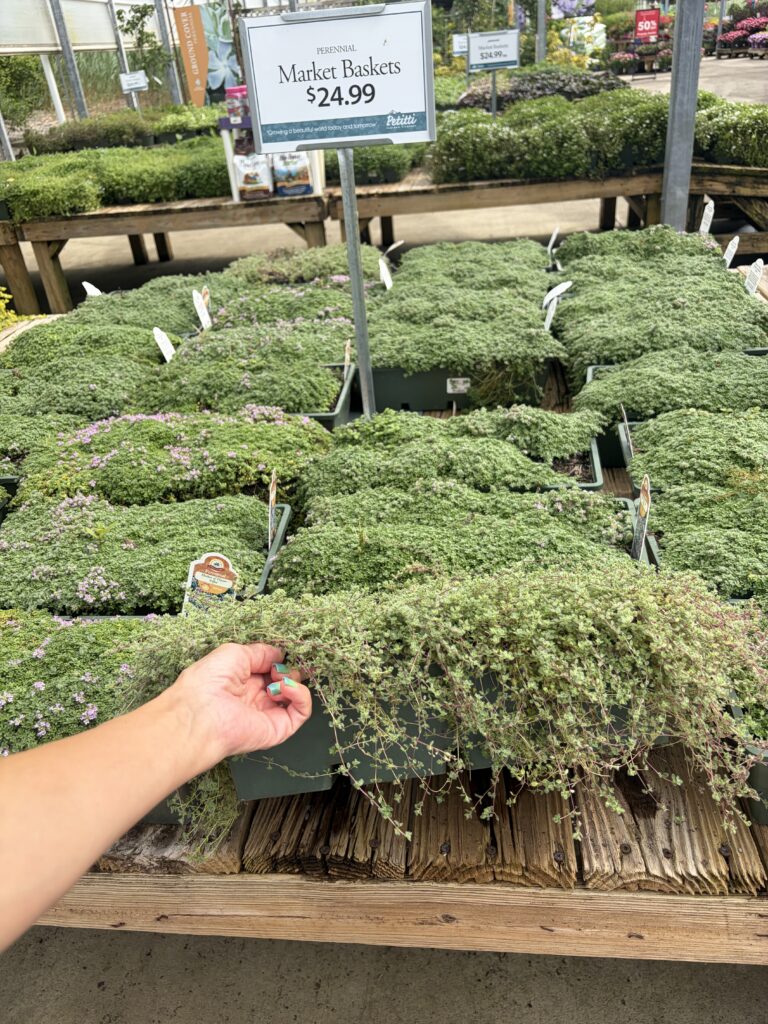
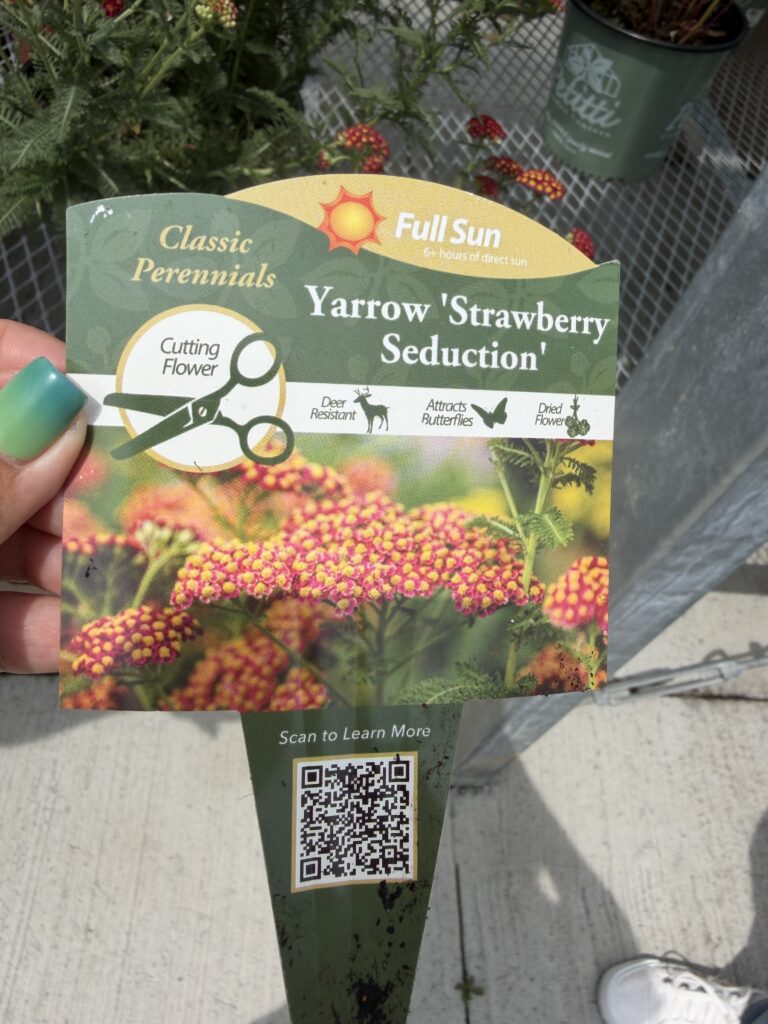
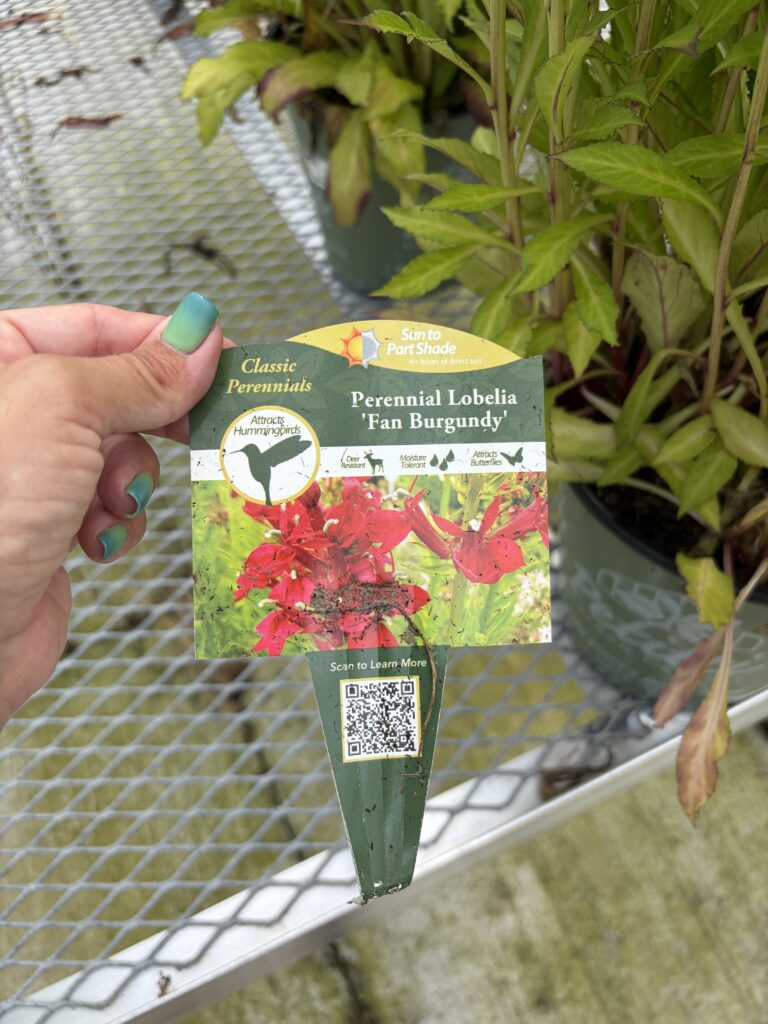
Petitti’s plant tags answered the questions customers actually ask.
Instead of leading with botanical information, tags quickly highlighted benefits like:
- Pollinator Friendly
- Deer Resistant
- Shade Loving
Each also included a QR code leading customers to additional care information.
Sampling still works
At Sheiyah Market, complimentary, self-serve samples of specialty foods drew visitors in, and many of us walked out carrying products we hadn’t planned to buy.
It’s a reminder that giving customers an opportunity to experience a product first often leads to stronger sales.
Don’t stop selling at checkout
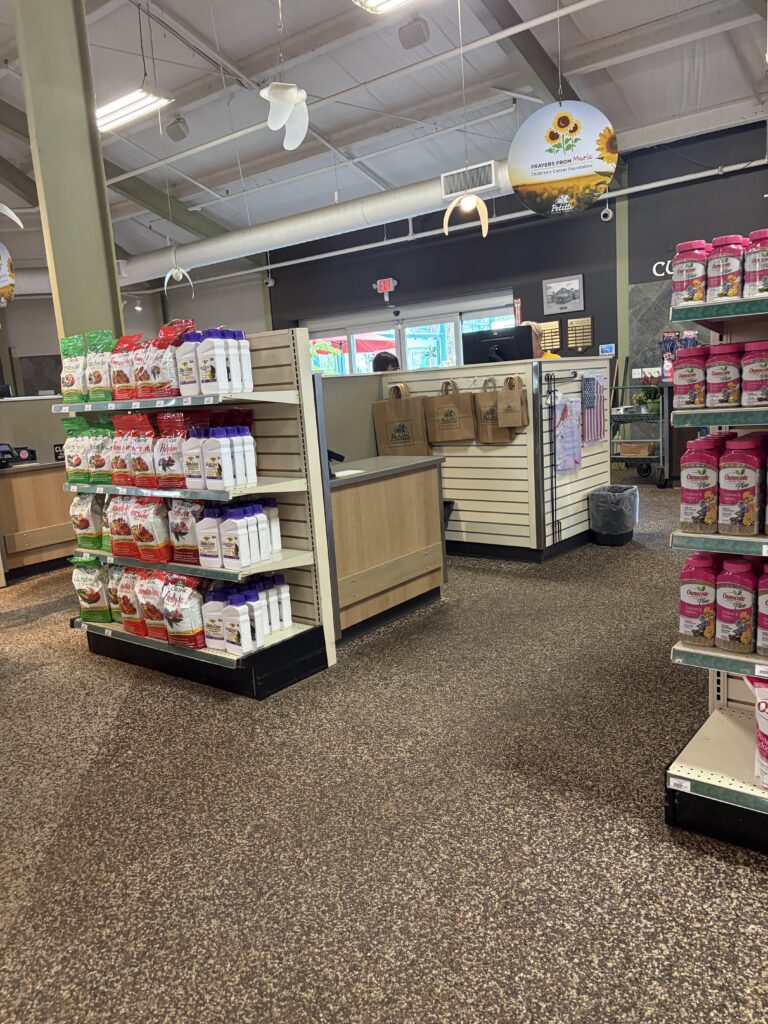
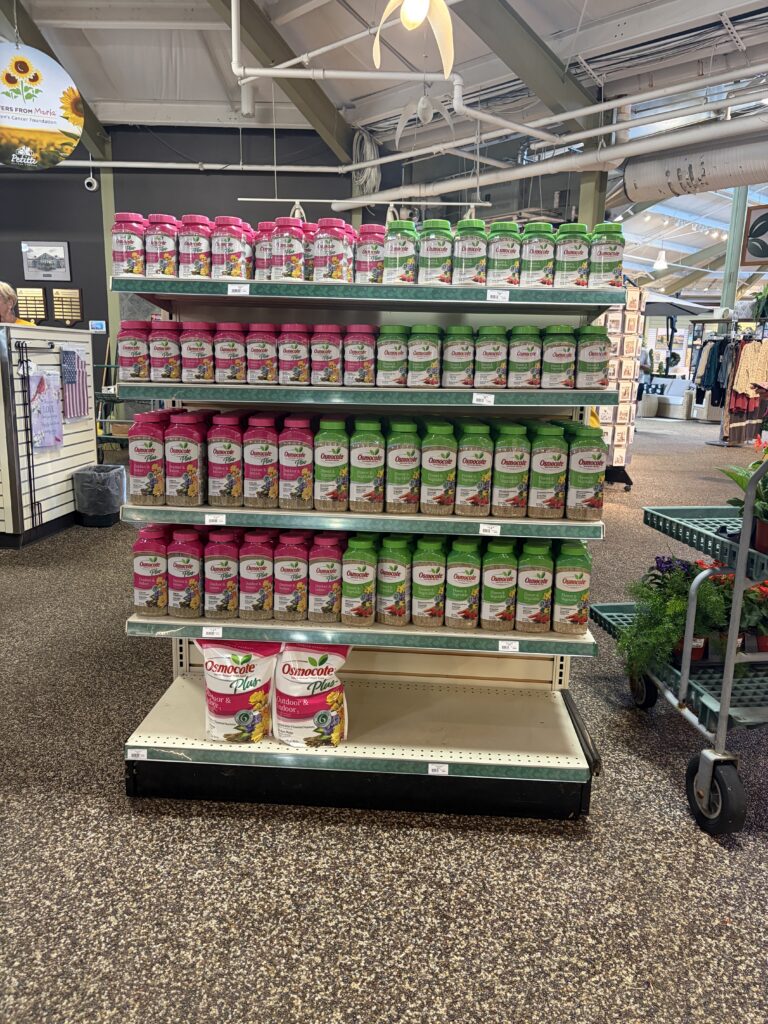
Large displays of soil amendments and root stimulators surrounded checkout areas.
Even smarter, the plant warranty was only available when customers purchased root stimulator, a simple strategy that increased attachment sales while improving plant success.




The Industry Is Strong, but Success Will Look Different
Economist Dr. Charlie Hall shared encouraging news: the pandemic gardening boom hasn’t disappeared. Approximately six in ten growers continue to report sales more than 25% above 2019 levels.
The bigger story, however, is how businesses are growing.
Revenue continues to rise, but much of that increase comes from pricing rather than higher unit sales.
Meanwhile, labor, freight and input costs continue squeezing margins.
His advice was practical:
- Track your own numbers – not just national headlines.
- Focus on margins as much as sales.
- Price according to value, not simply cost.
- Manage inventory carefully.
- Continue investing in the customer experience.
One line to highlight:
Revenue is exciting. Margins keep businesses healthy.
Please click here to view the PowerPoint presentation from Dr. Hall.
Advocacy Isn’t Someone Else’s Job
AmericanHort’s Matt Mika reminded attendees that many policymakers have never stepped inside a greenhouse or garden center.
That means they often don’t understand how tariffs, labor shortages or regulations affect horticulture businesses.
His message was simple:
Tell your story.
Whether it’s participating in advocacy days, inviting legislators to visit your business or responding to action alerts, every conversation helps decision makers better understand our industry.
One quote we kept coming back to:
If you’re not at the table, you’re probably on the menu.
Creativity Starts With “What If?”
One of the most energetic sessions we attended came from Christine Cashen, who challenged attendees to replace traditional brainstorming with what she calls a “Brain Hurricane.”
The session offered a refreshing counterpoint to the many conversations about using AI to generate ideas. Instead, it focused on how to jump-start our own creativity, think more freely and reconnect with old-fashioned, analog brainstorming.
One exercise had us work in small groups to mind-map a problem, then identify our three best ideas and our three wildest ideas. The results ranged from genuinely practical to hilariously over-the-top – think giving your staff free tattoos. While not every idea was a winner, that was exactly the point.
By suspending judgment, building on one another’s ideas and giving ourselves permission to think a little ridiculously, we uncovered creative solutions we likely wouldn’t have reached otherwise. It was a great reminder that innovation often begins with curiosity, collaboration and a willingness to entertain the unexpected. And, don’t think too hard or too long, poking holes in something before it’s even on paper – put an idea down and move on to the next.
It’s a mindset that feels especially relevant in horticulture, where many of our best ideas, from merchandising to marketing to customer experience, begin with someone asking, “What if we tried…”
Looking Ahead
Every year we attend Cultivate with one question:
What can we bring back to Colorado?
Sometimes it’s a merchandising display. Sometimes it’s an economic insight. Sometimes it’s simply a fresh way of thinking.
Those ideas help shape future CNGA programming, ProGreen education and the conversations we have with members throughout the year.
We’re already looking forward to sharing even more of what we learned over the coming months.